Torn between North Beach living on Vero Beach’s barrier island and the convenience of the mainland in 32963? You are not alone. Each side offers a distinct lifestyle, cost profile, and set of risks that can shape your day-to-day experience and long-term investment. In this guide, you will compare access, amenities, insurance, maintenance, and due diligence steps, with reliable local resources to verify every detail. Let’s dive in.
Where you are choosing
What “barrier island” means here
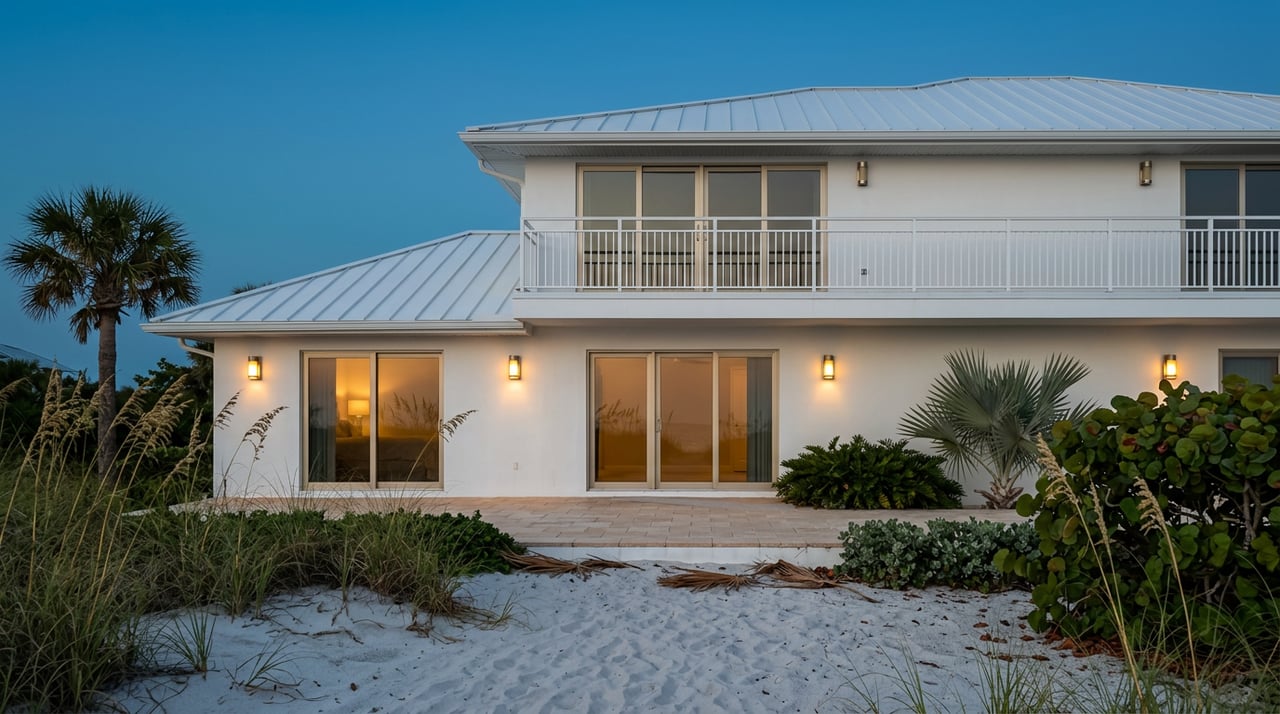
On Vero Beach, the barrier island is a narrow ocean-facing strip separated from the mainland by the Indian River Lagoon. In the northern portion, locals often refer to this as North Beach. You will find oceanfront condos and single-family homes, beach clubs, and neighborhoods where beach access is part of daily life.
What the mainland offers
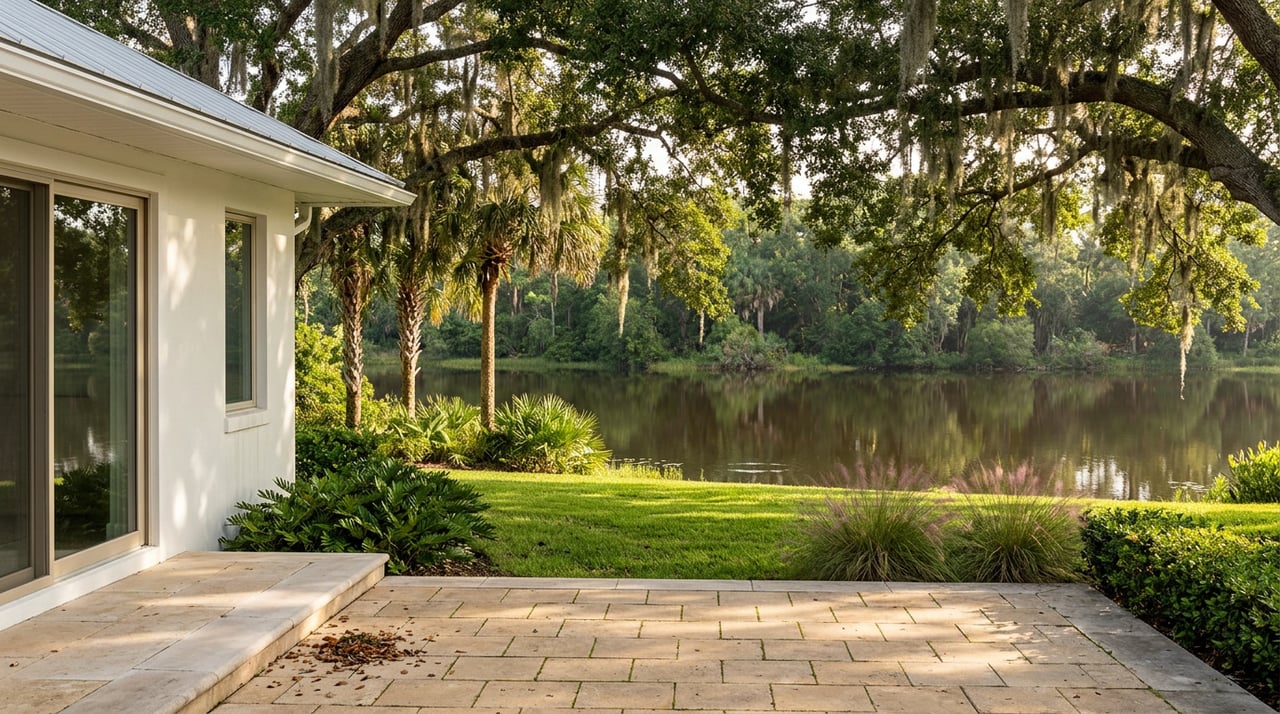
Just across the Intracoastal, mainland neighborhoods in and near 32963 blend residential pockets with commercial corridors and services. You typically get faster connections to county and state highways, a broader range of stores and medical providers, and more options for larger lots. Inland waterfront can include river or canal access with calmer day-to-day boating conditions.
Rules and permitting that differ
Coastal construction follows Florida hurricane standards with county-level permitting and shoreline setbacks. Expect more stringent build and remodel rules on the island. Before you plan changes, review local permitting with the Indian River County Building Division and your contractor. For financing and insurance, confirm flood zones and Base Flood Elevations through the FEMA Flood Map Service Center.
Lifestyle and access
Beach and waterfront access
If you want to walk to the beach, the barrier island is the clear winner. Many properties have private or deeded access, and sunrise ocean views can be part of your routine. On the mainland, you will drive to public beaches, although some neighborhoods offer river or canal frontage with sheltered waters for paddlecraft and smaller boats.
Boating and fishing
Island living brings immediate ocean proximity, but mooring and launching larger boats may rely on marinas or mainland ramps. The mainland provides more marinas, canal docks, and easier day-use launch options on the Indian River Lagoon. For offshore anglers, evaluate drive times to ocean access points like Sebastian Inlet State Park and local marinas that fit your vessel.
Walkability and everyday needs
North Beach areas place you near parks, boutique dining, and the shoreline. Grocery, medical, and big-box retail are more limited on the island, which can mean extra trips across the bridges. Mainland corridors typically offer faster access to shopping, services, and commuting routes.
Community rhythm and seasonality
Island neighborhoods often feel more resort-like, with a seasonal swell of visitors and events. Some buyers enjoy the energy; others prefer quieter streets. Inland areas usually see less tourist traffic and more year-round routines.
Costs, risks, and maintenance
Purchase price patterns
Oceanfront and barrier island homes often command higher prices per square foot due to scarcity and lifestyle appeal. Coastal markets can also react more sharply to storms and insurance changes. Review recent comparable sales through the county property appraiser and your agent to understand local trends before you bid.
Insurance: flood and wind
Many barrier island parcels fall within FEMA Special Flood Hazard Areas, and a mortgage will usually require flood insurance. Coastal homes also face stricter windstorm underwriting, which may include wind mitigation inspections, impact-rated openings, and higher premiums. Start with your lender’s requirements and the FEMA Flood Map Service Center, then secure quotes from local carriers familiar with Indian River County coastal coverage.
Maintenance realities in salt air
Salt and humidity accelerate corrosion and wear. Plan for more frequent exterior painting, faster HVAC and appliance turnover, and diligent roof and shutter upkeep. Beachfront parcels may also share responsibilities for dune care, erosion management, or seawall maintenance where allowed.
Taxes, HOAs, and assessments
Property tax rates are set by county and local taxing authorities, but assessed values on the island can be higher due to market prices. Many island neighborhoods and condominiums have HOA or association fees that fund amenities, private roads, dune or beach maintenance, and reserves. Inland communities may have different fee structures, such as golf or gated amenities.
Utilities and service continuity
Confirm whether a home is on central sewer or septic, especially on the island where service availability can vary. Check providers and any capacity limitations with Indian River County Utilities. After major storms, restoration on the island can take longer, so review outage history and local resilience steps with Florida Power & Light outage resources.
Erosion, surge, and sea-level rise
Barrier islands face chronic erosion and storm-surge risk. Ask for historical shoreline information, and check if renourishment work or dune projects affect community costs or permitting. Review long-term exposure with NOAA’s Sea Level Rise resources and the Florida DEP’s coastal programs for beach management and renourishment updates through the Florida Department of Environmental Protection’s Beaches programs.
Rental and income potential
Short-term rental demand is often strongest for beachfront properties, but rules vary by county and HOA. Always confirm licensing, inspections, and neighborhood restrictions with the county and association. Start with the county’s code and compliance contacts at Indian River County Code Enforcement.
Your buyer checklist
- Verify the property’s flood zone and request an Elevation Certificate if it is in an SFHA. Use the FEMA Flood Map Service Center and a licensed surveyor.
- Obtain wind and flood insurance quotes from at least two local carriers and a coastal broker. Ask about wind mitigation discounts and any recent premium changes.
- Review HOA or condo documents, recorded beach-access easements, dune maintenance responsibilities, and any special assessments.
- Pull county permit history for additions, elevation work, seawalls, docks, or dune modifications with the Indian River County Building Division.
- Confirm utility status and providers, including sewer vs septic, with Indian River County Utilities.
- Commission a coastal-focused inspection that evaluates structure, corrosion, roof attachments, impact openings, and shutters. Add a marine survey for properties with dockage.
- Ask for a list of hurricane-related repairs and any prior insurance claims, and compare to permit records.
- Confirm any short-term rental allowances and licensing needs with the association and Indian River County Code Enforcement.
- Evaluate evacuation routes and bridge access during storms. Note road elevations and typical peak-season traffic.
- Test-drive commute times to your regular destinations, including grocery, medical providers, and recreation or clubs.
Which lifestyle fits you?
Choose North Beach on the barrier island if you want:
- Walk-to-beach living and ocean views as part of daily life.
- Strong seasonal energy and proximity to beach clubs and coastal parks.
- A premium, with higher typical insurance and maintenance needs.
Choose the mainland if you want:
- Faster access to shopping, services, and commuter routes.
- More options for sheltered boating on the lagoon or canals.
- Generally lower recurring costs and a steadier, year-round pace.
If you are weighing both sides of the bridges, you do not have to choose blind. With hyperlocal guidance, you can match your lifestyle goals to the right street, HOA, and long-term risk profile.
Ready to compare specific neighborhoods, run coastal insurance scenarios, or design a buy-and-hold rental plan? Reach out to Susie Wilson Real Estate, P.A. for tailored buyer representation and, if you want income between visits, integrated vacation-rental strategy and management.
FAQs
What is Vero Beach’s barrier island in 32963?
- It is the ocean-facing strip east of the Indian River Lagoon, including North Beach, with oceanfront homes, condos, and neighborhoods that prioritize beach access.
How does flood insurance differ on the island vs mainland?
- Many island parcels fall in FEMA Special Flood Hazard Areas that typically trigger lender-required flood insurance, while inland properties vary by elevation and mapped risk.
What should I verify before buying oceanfront in North Beach?
- Confirm flood zone and elevation, insurance quotes, HOA rules for beach and dune care, county permit history, and any erosion or renourishment activity affecting the parcel.
Are short-term rentals allowed on the barrier island?
- Rules vary by county ordinance and HOA or condo bylaws, so confirm licensing, inspections, and any limits with the association and county before you buy.
How does hurricane season affect island vs mainland daily life?
- The island can see higher wind exposure, stricter insurance requirements, and longer post-storm restoration, while mainland areas often have faster service access and more sheltered conditions.