Thinking about Vero Beach but torn between the barrier island and the mainland around Winter Beach? You’re not alone. The side you choose shapes your daily rhythm, from beach walks and boating to insurance costs and how you get to groceries and healthcare. In this guide, you’ll get a clear, side‑by‑side look at lifestyle, housing types, risk and regulations, plus a practical checklist to make your search easier. Let’s dive in.
Barrier island vs. mainland at a glance
Barrier islands here are narrow, low‑elevation strips along the Atlantic, separated from the mainland by the Indian River Lagoon. Winter Beach sits on the mainland side within Indian River County’s coastal corridor. Knowing exactly which side a property is on matters because it affects beach access, insurance, permitting, and storm exposure.
On the island, you trade proximity to the ocean for more wind and surge exposure, tighter building rules, and often higher insurance. On the mainland and lagoon side, you typically see larger lots, quieter streets, and easier access to year‑round services, with boating focused on the calmer Intracoastal waters.
To confirm a property’s location and risk profile, use county parcel maps, FEMA flood maps, and local permitting records before you write an offer.
Lifestyle tradeoffs in Winter Beach and Vero Beach
Beach and ocean access
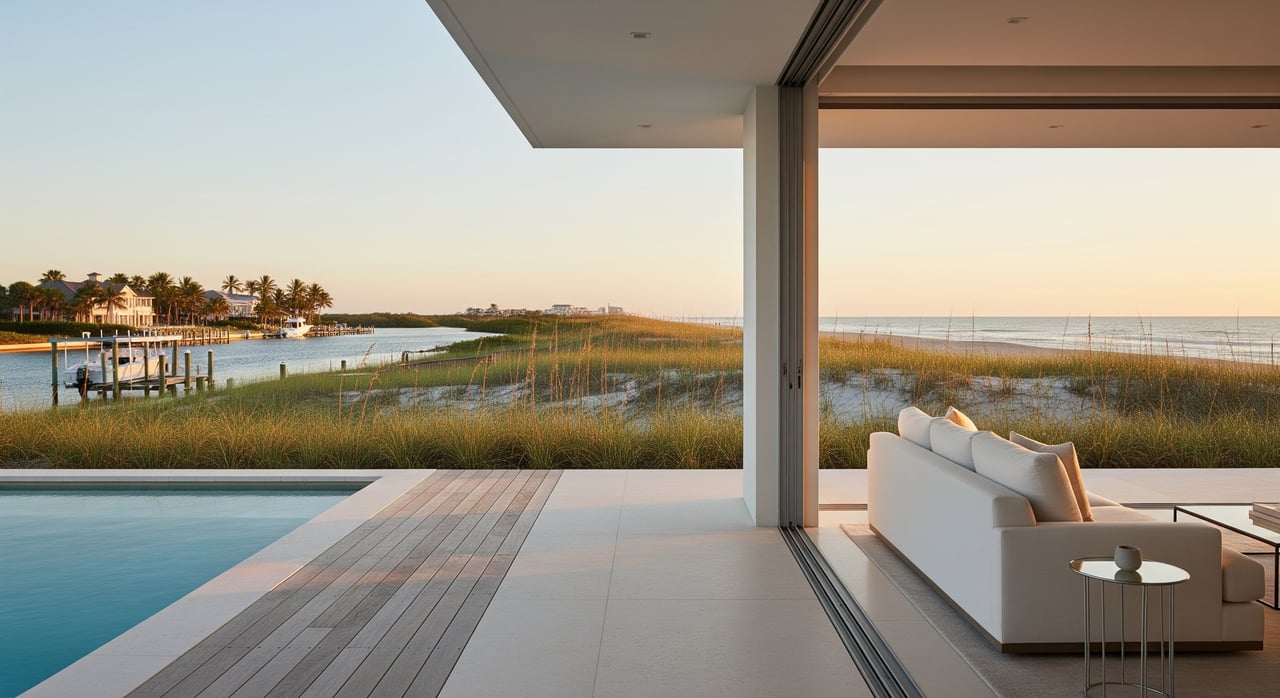
- Barrier island: Daily beach access is the headline benefit. Many neighborhoods are walkable or a short drive to public beach paths, oceanfront parks, and restaurants with ocean views.
- Mainland/lagoon: You’ll cross a causeway to hit the sand. Some mainland communities still enjoy water access on the lagoon side, and a few offer private beach access through club membership or shuttles. If you want surf at your doorstep, island living wins.
Boating and fishing
- Mainland and lagoon-side: Expect easier access to sheltered water, inshore fishing, and more options for private docks and marinas. Shallow‑draft boating and paddle sports thrive here.
- Barrier island: Oceanfront locations appeal to offshore anglers but demand the right boat and conditions. Dock permitting can be more constrained in sensitive coastal areas, so confirm what is allowed on a specific parcel.
Walkability and daily rhythm
- Barrier island: Certain pockets feel like a coastal village, with cafes and shops nearby. Seasonal visitors can boost energy and foot traffic during high season.
- Mainland: Generally a steadier year‑round residential feel. You’ll often find larger yards, less seasonal fluctuation, and direct access to major roads like US‑1.
Seasonal population and vibe
Island neighborhoods often have more second homes and vacation rentals, which can mean higher turnover and a lively seasonal scene. Mainland areas typically maintain a consistent resident base, which can influence the cadence of services and neighborhood routines.
Housing, HOAs, and real costs
Home types and HOAs
- Barrier island: A mix of oceanfront condos, low‑ to mid‑rise buildings, townhomes, and single‑family beach houses, often on smaller lots. HOAs and condo associations are common near the beach.
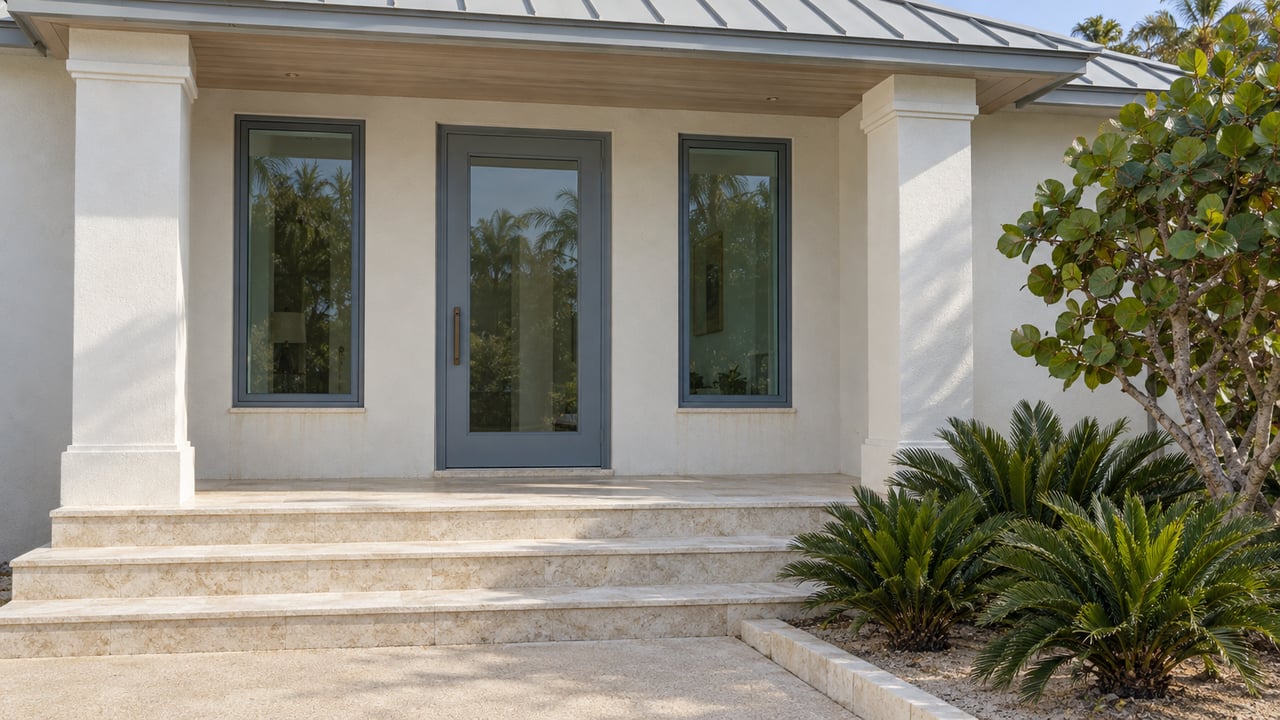
- Mainland: Single‑family homes on larger lots, ranch‑style houses, newer subdivisions, and canal or lagoon-front homes are more prevalent. Condos exist but are less concentrated than on the island.
If you’re considering a condo or HOA community, review financials, reserves studies, insurance certificates, meeting minutes, and rental and pet policies. These documents shape your monthly costs and usage flexibility.
Insurance and flood risk
Barrier‑island properties face more wind and storm‑surge exposure, which generally means higher homeowners and flood premiums and hurricane‑specific deductibles. Mainland homes can still sit in flood zones, especially along canals and the lagoon, but they often see lower premiums than exposed oceanfront parcels.
Before you make an offer, secure multiple insurance quotes for the exact address, ask about wind‑mitigation credits, and confirm the property’s FEMA flood zone and elevation. Insurance availability and pricing change quickly in Florida, so current, address‑specific data is key.
Permitting, codes, and elevation
Florida’s coastal codes require higher wind‑load standards. On the island, elevated foundations and hurricane‑resistant features are common, and you may face environmental setbacks that limit expansion. For any property, verify permitted additions, dock approvals, and foundation type, and consider a structural review if the home is elevated or shows settling.
Taxes and operating costs
Property taxes vary by assessed value and millage. Oceanfront land scarcity and views typically push assessments higher on the island. Plan for ongoing costs like HOA dues, flood and wind insurance, exterior maintenance in a salt‑air environment, dock upkeep if applicable, and the difference between septic and municipal sewer.
Commutes, bridges, and services
Bridges and travel patterns
Island residents depend on a limited number of causeways for daily trips to mainland services, shopping, and medical care. During peak season or storm events, expect congestion at crossings. Mainland residents often have faster access to services and employment centers without bridge traffic.
Utilities and services
Confirm whether the property is on municipal sewer or septic. Power and internet providers are shared across both sides, though storm restoration can vary by micro‑location and elevation. Trash, recycling, and bulk pickup schedules are set by the county, so verify specifics for each neighborhood.
Schools, healthcare, and emergency planning
School assignments are determined by the Indian River County School District. If proximity matters to you, compare commute times to the schools you prefer. For healthcare and emergency services, island residents should review evacuation routes and shelter locations in advance and understand how bridge closures affect access during storms.
Short‑term rentals and rules
Vacations rentals are common in some island areas. Local ordinances and HOA rules may limit or prohibit short‑term rentals, so verify licensing needs and community restrictions early if rental income is part of your plan.
Which side fits you?
Choose the barrier island if you want:
- Daily beach access and ocean views at the center of your routine.
- A village‑style vibe in select pockets with shops and dining nearby.
- Condo options with amenities and managed maintenance, balanced against HOA dues and rules.
- Willingness to navigate higher insurance, stricter permitting, and seasonal traffic.
Choose the mainland if you want:
- Larger lots, quieter streets, and a steady year‑round community feel.
- Easier access to US‑1, services, and shopping without a bridge.
- Sheltered‑water boating on the Indian River Lagoon and more marina options.
- Potentially lower insurance costs than exposed oceanfront, depending on the specific flood zone and elevation.
If you’re drawn to the island lifestyle but want a club setting, consider communities on or near the barrier island with beach access and amenities. If you prioritize space and boating flexibility, mainland canal or lagoon‑front homes can be compelling.
Smart next steps for out‑of‑market movers
Pre‑search preparation
- Define your priorities: daily beach time, protected boating, lot size, or lower carrying costs.
- Get a mortgage pre‑approval to understand price bands for island vs. mainland.
Documents to request early
- Parcel map and exact address confirmation to verify island vs. mainland location.
- FEMA flood zone determination and any existing elevation certificate.
- HOA or condo documents: bylaws, CCRs, financials, insurance, meeting minutes, rental policy.
- Recent insurance quotes or guidance from a local agent for the address.
- Permit history for roofs, additions, docks, and mechanical upgrades.
On‑site tour checklist
- Note the home’s elevation relative to the road and nearby properties.
- Confirm foundation type and look for coastal wear like salt corrosion on metal.
- For lagoon or canal homes: check dock depth, bulkhead condition, water clarity, and typical boat traffic.
- Visit at different times of day and week to gauge noise, traffic, and seasonal patterns.
Due diligence and professional checks
- Hire a coastal‑experienced home inspector and, if elevated or complex, a structural engineer.
- Obtain or update a flood elevation certificate to refine insurance quotes.
- Secure multiple quotes for homeowners, wind, and flood insurance before finalizing terms.
- Review county code enforcement and any notices tied to the parcel.
How Susie Wilson Real Estate helps
You deserve a partner who knows both sides of the lagoon and how each decision affects your lifestyle and budget. Susie Wilson Real Estate, P.A. is a boutique brokerage focused on Treasure Coast waterfront and island‑barrier properties. You get hands‑on buyer representation, access to hyperlocal insight across island communities and mainland gems, and clear guidance on insurance, HOA health, and permitting.
If you decide to purchase with rental goals in mind, the team’s integrated vacation‑rental marketing and management can help you balance personal use with occupancy. When it’s time to sell, professional staging and a tailored “Stage to Sell” approach ensure your home shows at its best.
Whether your path leads to an oceanfront condo, a riverfront villa, or a spacious mainland home near the lagoon, you’ll have a trusted local advisor at every step. Ready to compare specific neighborhoods and properties with data that fits your goals? Connect with Susie Wilson Real Estate, P.A. to start a focused search.
FAQs
Is island living better for daily beach access in Vero Beach?
- Yes for most island properties, since many homes are within walking distance or a short drive to public beach access points. Always confirm the access type for the address you’re considering.
Are insurance costs higher on the barrier island than the mainland?
- Generally yes, due to higher wind and storm‑surge exposure and lower elevation. Premiums vary by elevation, construction, and current market conditions, so get quotes for the exact address.
What if I want a private dock or marina access near Winter Beach?
- Lagoon and mainland areas often offer easier sheltered‑water docking and more marina infrastructure. Confirm dock permitting rules and any environmental setbacks for the parcel.
Do condos on the island reduce maintenance headaches?
- Condos can simplify exterior upkeep, but HOA fees, reserve strength, insurance, and rules on rentals or pets matter. Review the association’s financials and policies before you commit.
How do bridges affect daily life for island residents?
- Bridges are part of the routine for services, shopping, and medical visits. During peak tourist periods or storm events, expect congestion and plan extra time for crossings.
What should I verify before making an offer on any coastal home?
- Confirm flood zone and elevation, secure multiple insurance quotes, review HOA or condo documents, verify permit history, and schedule a coastal‑experienced inspection.